Critical infrastructure and heating blackouts: NeMeA Sistemi’s ASDA-EMIS technology enters the field trial phase

The gradual increase in heatwaves across the country is putting the nation’s electricity infrastructure under unprecedented strain. The summer temperature anomalies are no longer the exception, but a structural factor that network operators have to deal with on a daily basis. Against this backdrop of growing climate vulnerability, the ASDA-EMIS project (Advanced Spatial Data Analysis for Environmental Monitoring and Infrastructure Safety) is taking a decisive step forward, moving into the active phase of its operational trials.
Developed in collaboration with NeMeA Sistemi and AISMA, and funded by the Ministry of Enterprise and Made in Italy as part of the the “Entrepreneurial Discovery” programme, ASDA-EMIS was founded on a clear principle: to transform the management of infrastructure emergencies from a reactive to a predictive approach, taking action before damage occurs.
Technology: a Data Lake between Space and Earth
The core of the system is based on a Geographically distributed data lake capable of centralising and correlating massive flows of diverse information. The platform integrates the radar/SAR satellite data from the Cosmo-SkyMed constellation (CSK & CSG) of theItalian Space Agency, optical and hyperspectral sensors, weather data and complex environmental information. This satellite data is cross-referenced with the information on electricity networks uploaded to the SINFI (National Federated Infrastructure Information System), highlighting once again just how crucial it is for public administrations to ensure the consistent and accurate submission of their cadastral and infrastructure data to the national platform.
This integrated volume of data is processed in real time by Artificial Intelligence and Machine Learning algorithms. The system does not merely record the current state of the area, but generates predictive models and automated alerts to map the environmental risks affecting distribution networks.
The electricity grid hub and the ‘thermal shock’
The most urgent and crucial application of the project concerns the resilience of the national electricity grid. According to historical data from ARERA, the system’s fragility results in an average of 5.12 service interruptions per user. A significant proportion of these disruptions are caused by the the ‘thermal shock’ phenomenon: Extreme summer temperatures cause the ground to overheat, preventing underground low-voltage cables from cooling properly and leading to complex and prolonged faults.
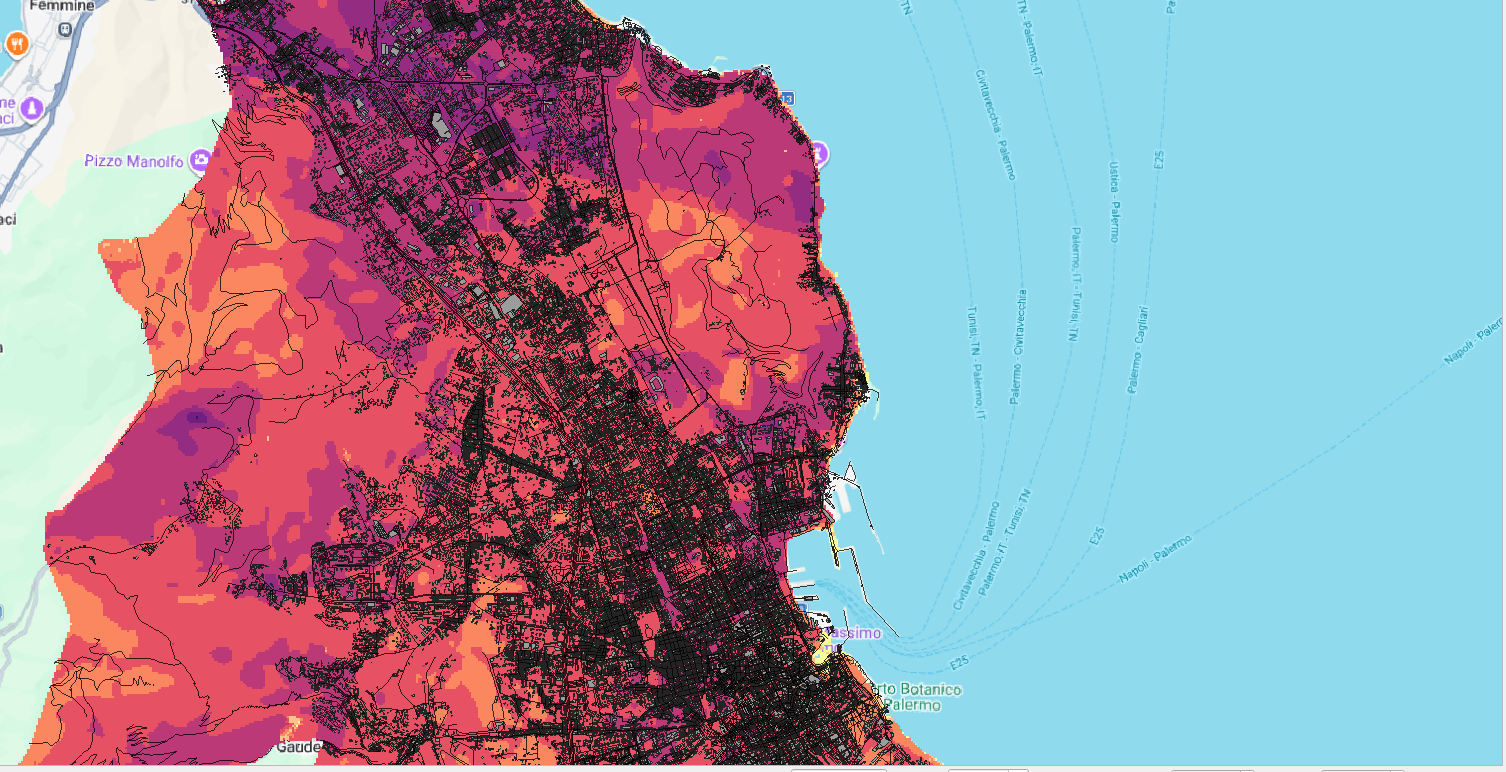
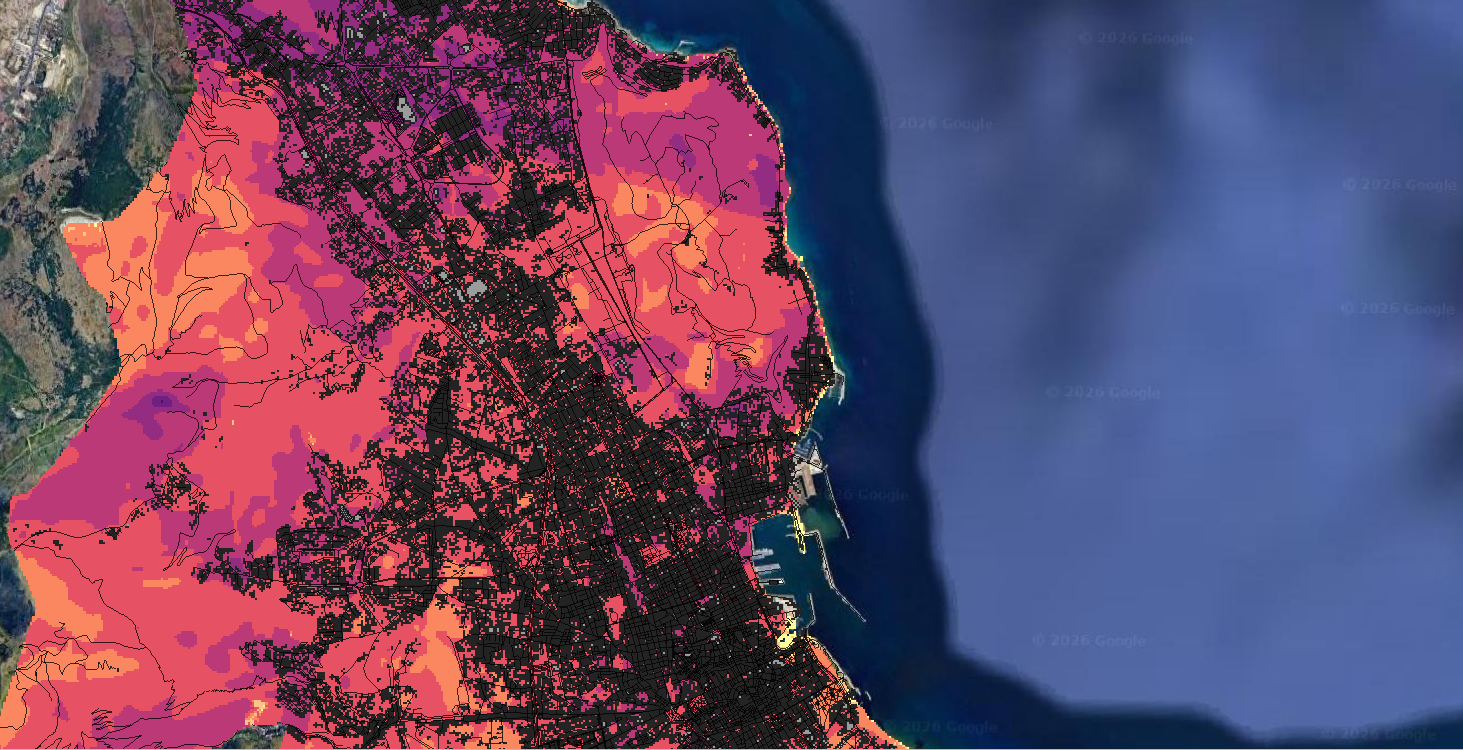
ASDA-EMIS addresses this critical issue by constantly monitoring the surface temperature of the soil (LST – Land Surface Temperature). The algorithm’s predictive analysis makes it possible to identify the subsurface temperature anomalies before they escalate into a power cut, enabling technicians to plan targeted and timely maintenance work.
Field validation and synergies for energy resilience
The current summer season, characterised by significant temperature spikes, provides the ideal testing ground for consolidating the platform’s effectiveness and refining the accuracy of predictive models in scenarios of real infrastructure stress. In this context, expanding the trial phase through pilot projects across the country is a key step towards accelerating the transition to truly smart grids. The synergy between the technological development work carried out by NeMeA Sistemi and AISMA and the practical experience of network operators presents a strategic opportunity to share data and expertise, laying the foundations for ever-higher safety standards and for a national energy infrastructure capable of anticipating the effects of climate change.